Since 1980, the Bellevarde team have built arguably the finest architectural homes in Australia.
Our Founder, John Fielding, doesn’t like to talk much about his work—but other people do. Conversations with the owners and architects of houses built by Bellevarde reveal that they greatly enjoyed the building experience.
If you are contemplating building an architect-designed house, we believe you will find their stories both interesting and useful.
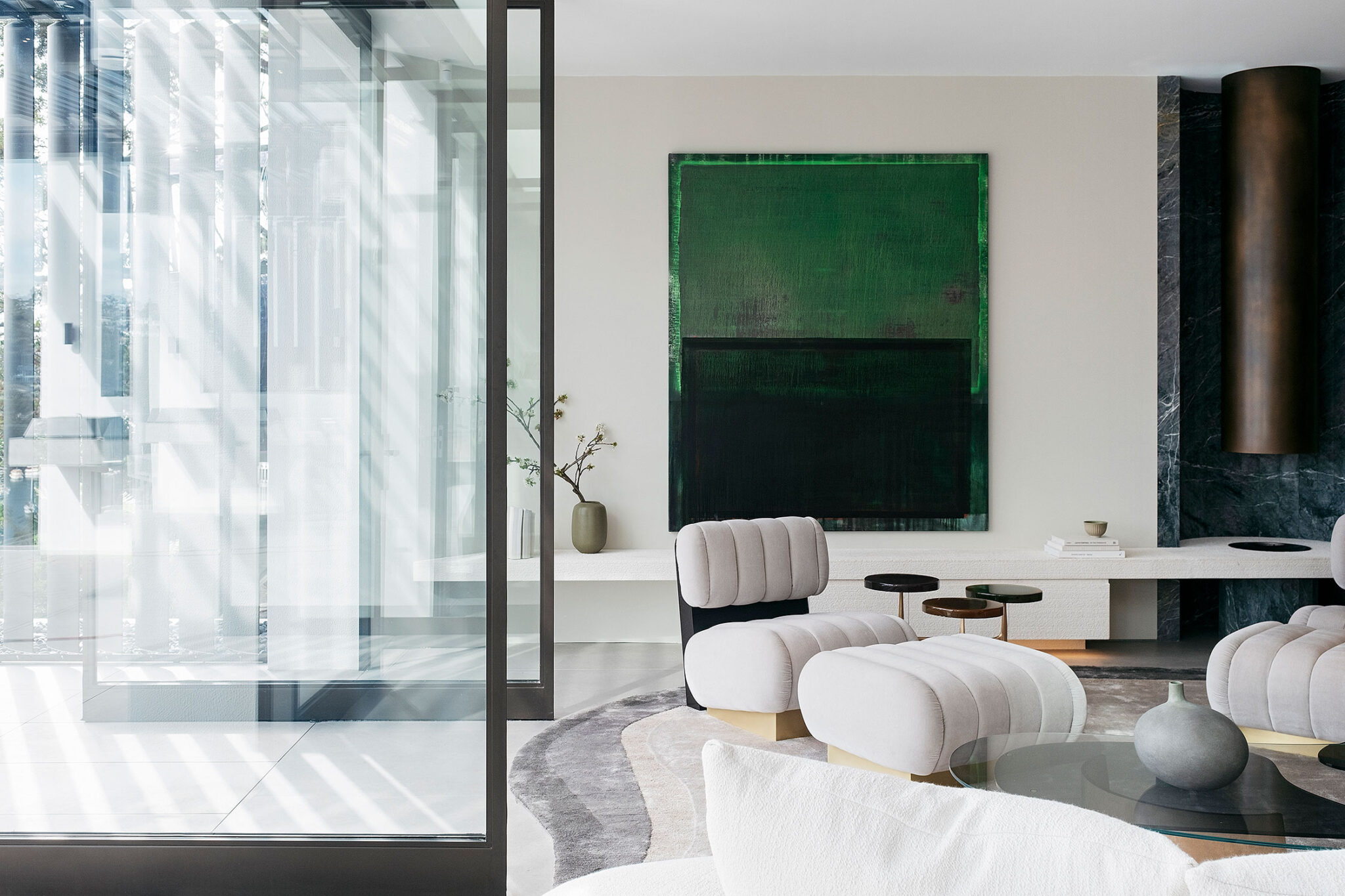
Residence R, Northbridge
Architect: Ian Traill Architects
Interior Designer: Nina Maya Interiors
Client: Alyssa & Peter Rawson
Year: 2023
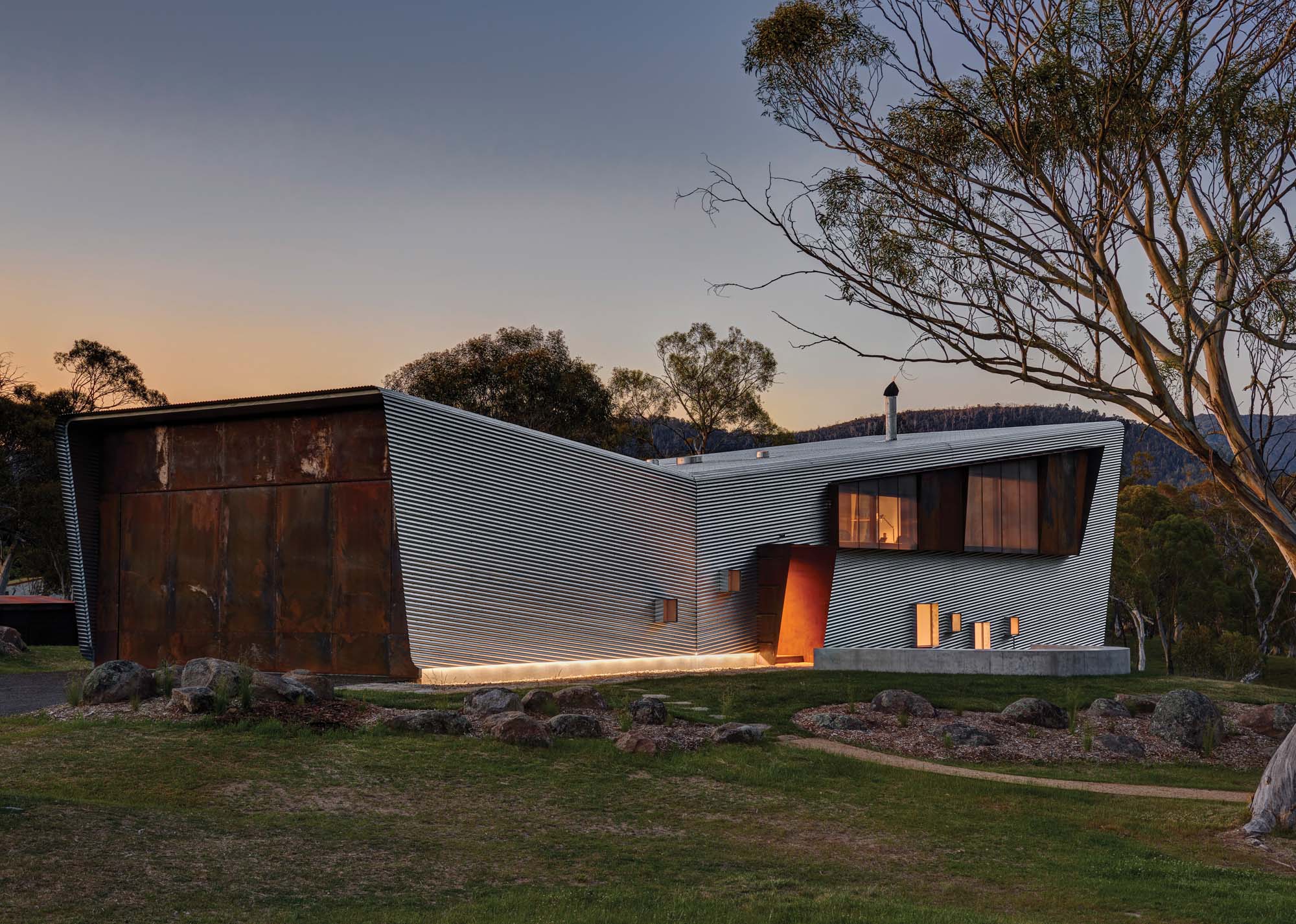
Crackenback House
Architect: Casey Brown Architecture
Year: 2020
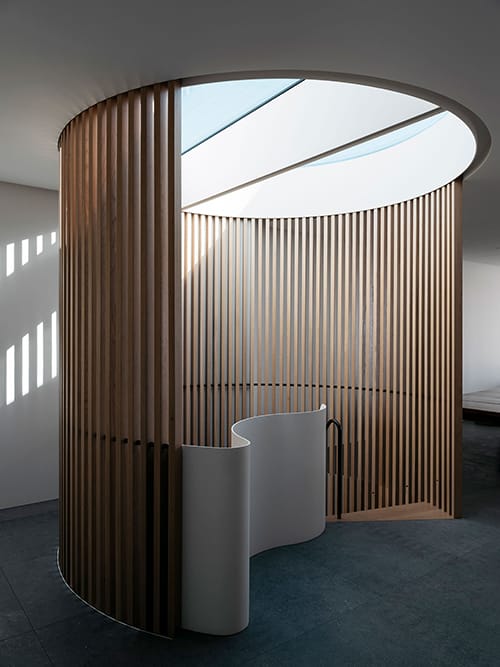
ELIZABETH BAY PENTHOUSE
Architect: BVN
Year: 2020
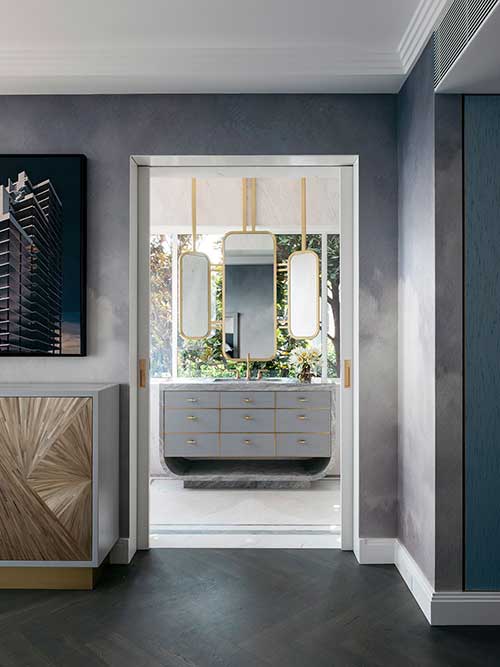
POINT PIPER TRANQUILITY
Designer: Brendan Wong Design
Year: 2020
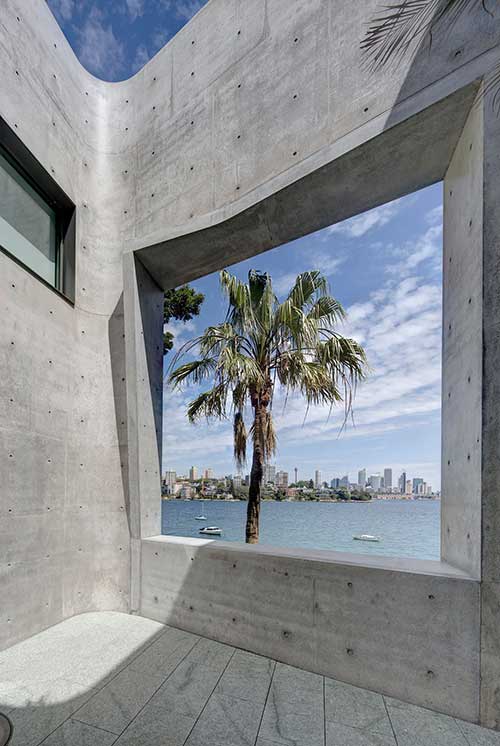
House Taurus, Point Piper
Architect: Durbach Block Jaggers
Year: 2019
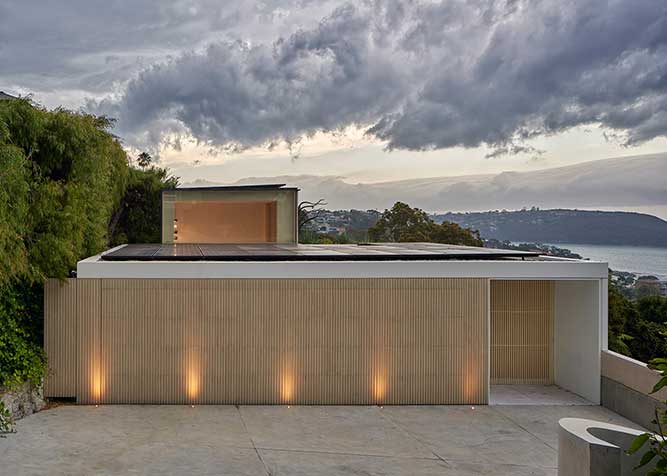
Balmoral House, Mosman
Architect: Madeleine Blanchfield
Year: 2019
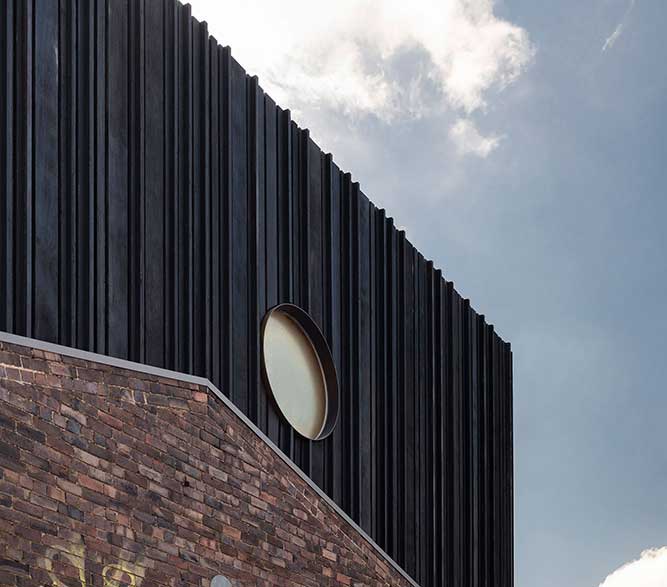
Grant Pirrie House, Surry Hills
Architect: Virginia Kerridge
Client: Bridget Pirrie & Stephen Grant
Year: 2019
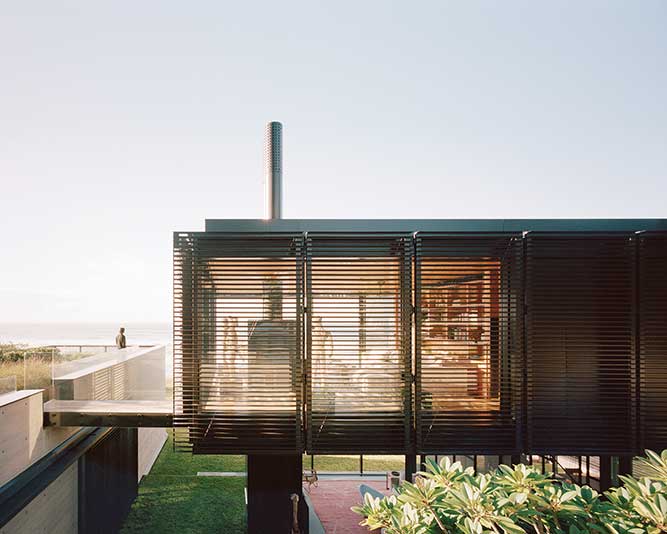
Bilgola Beach House
Architect: OLSON KUNDIG
Project Manager: Csaba Kaposi, Auric Projects
YEAR: 2018
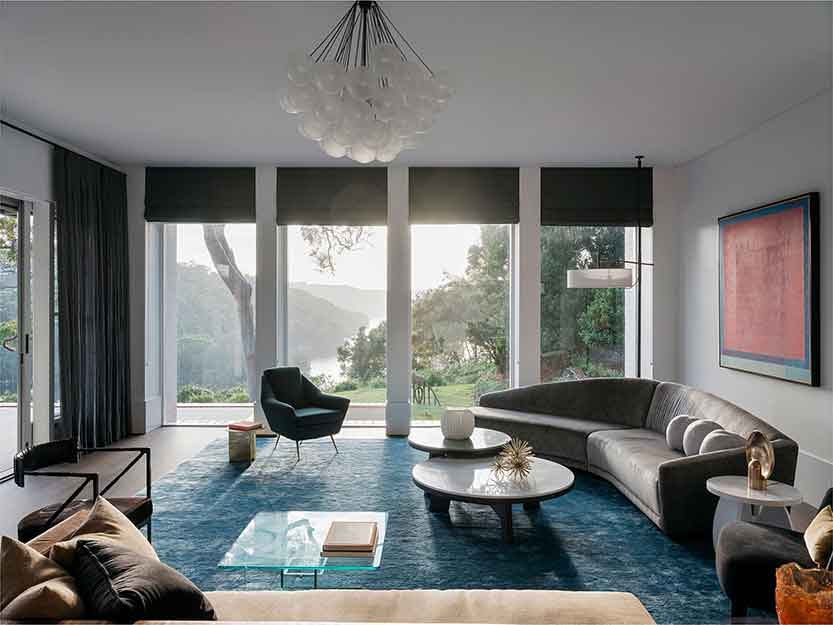
CONTEMPORARY PERCH, CASTLE COVE
Designer: Dylan Farrell Design
Client: Tatyana Klauzner
Year: 2018
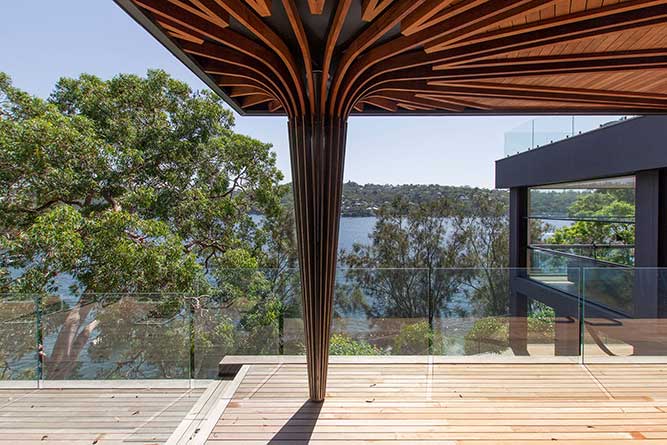
Castlecrag House
Architect: Casey Brown Architecture
Year: 2018
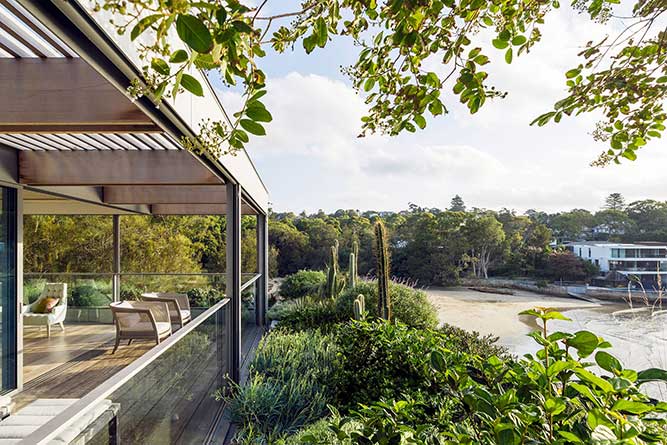
Vaucluse Bay House
Architect: Tobias Partners
Year: 2018
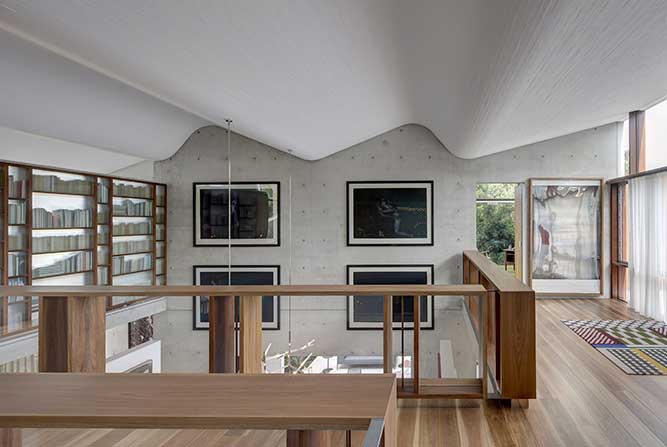
ALMORA HOUSE, BALMORAL
Architect: TONKIN ZULAIKHA GREER
Client: Cathy & Andrew Cameron
Year: 2018
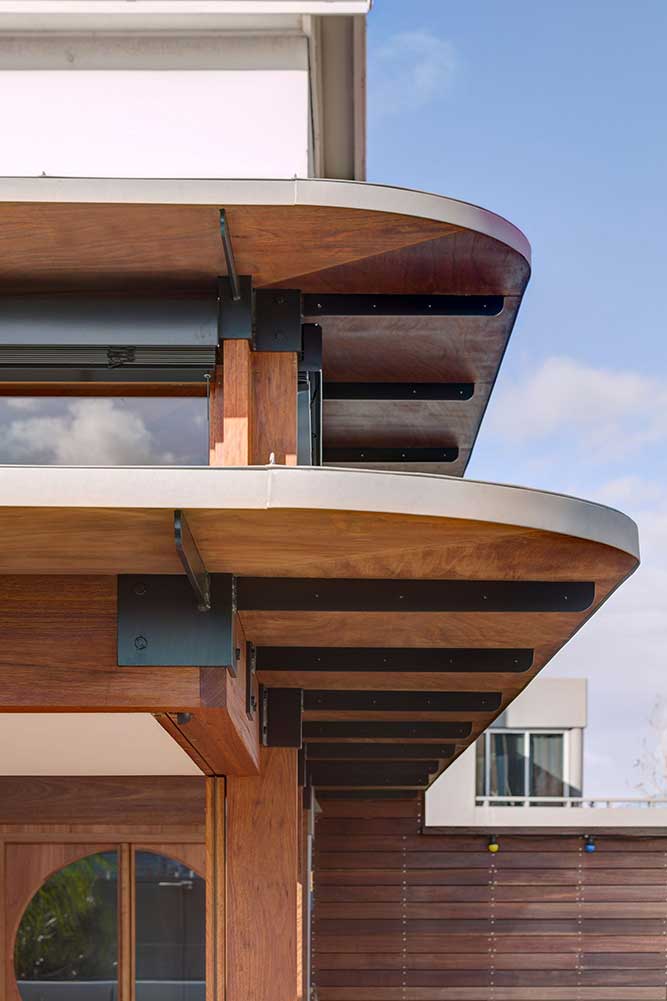
ELIZABETH BAY APARTMENT
Architect: FUTURE METHOD STUDIO
Client: Angela Seward
YEAR: 2017
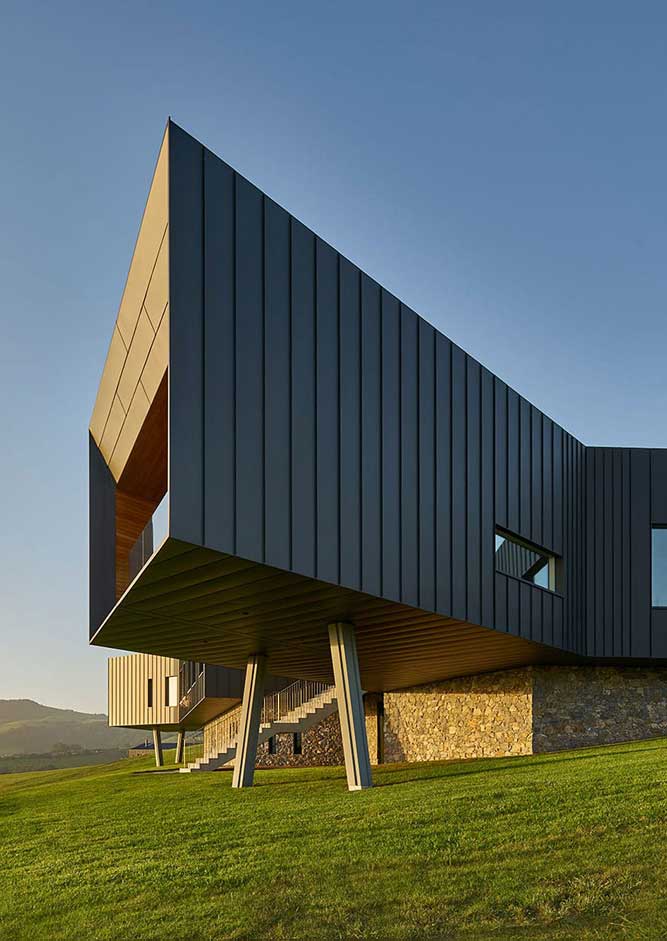
Headland House & Escarpment House, Gerringong
Architect: Atelier Andy Carson
Client: Jeffrey Simpson & Beau Neilson
Year: 2017
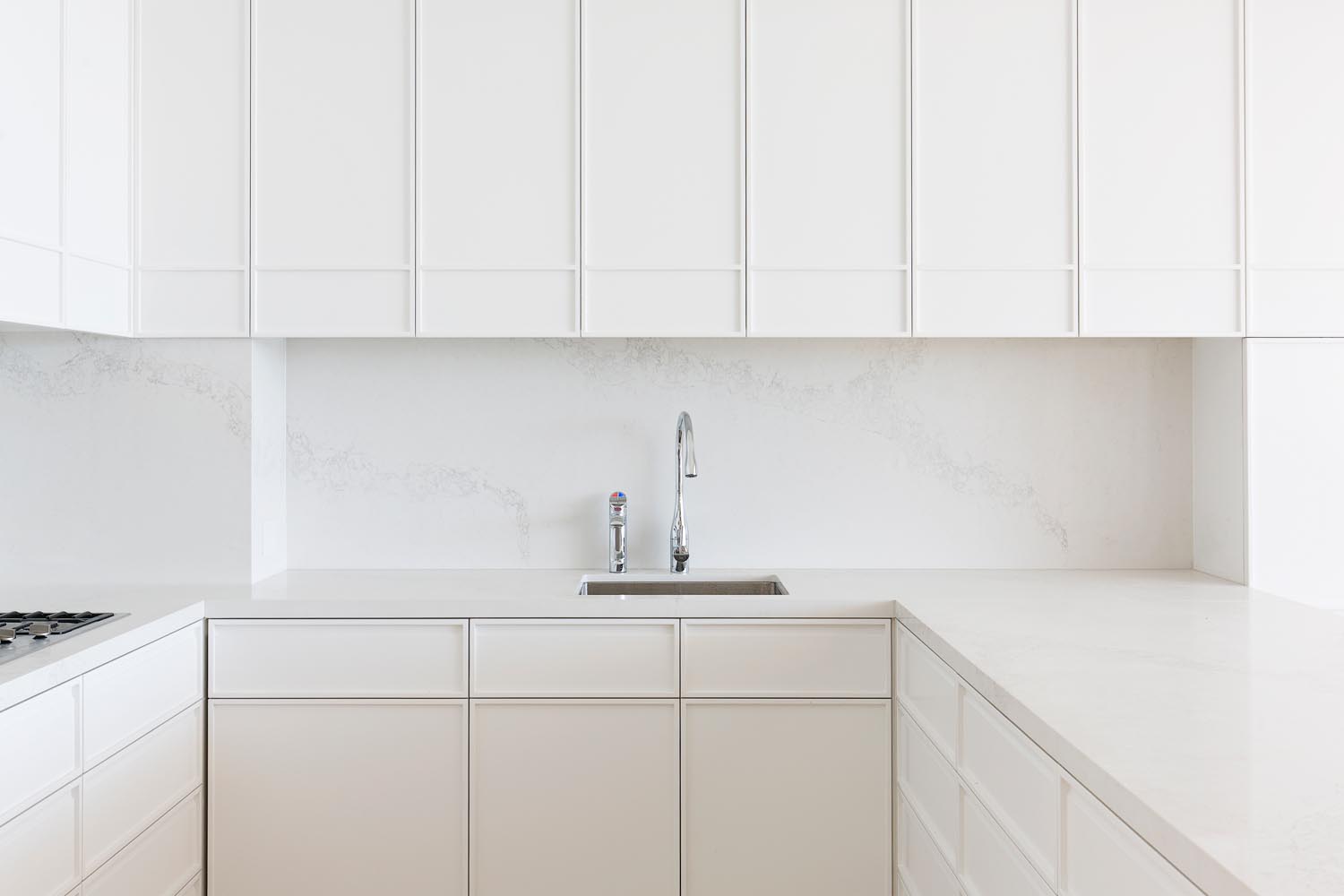
Sydney Penthouse
Architect: Hancock Architects
Client: Kerrie & Richard
Year: 2017
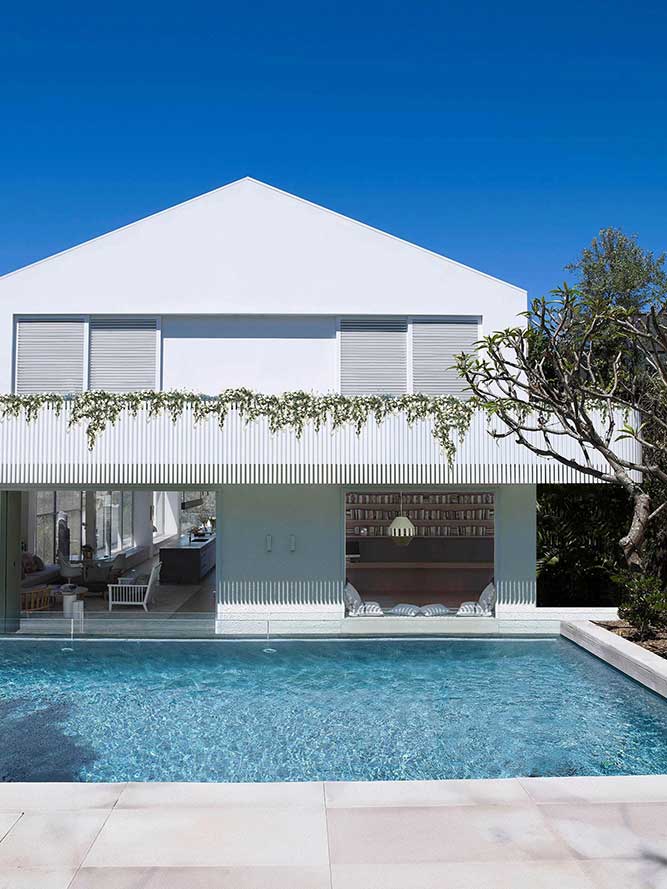
CLOVELLY HOUSE II
Architects: Madeleine Blanchfield
Year: 2016
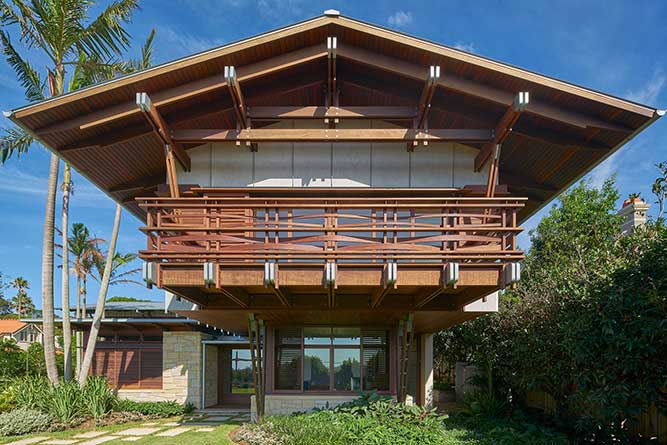
Palm House, Mosman
Architect: Casey Brown Architecture
Client: Toby & Penny Harrop
Year: 2016
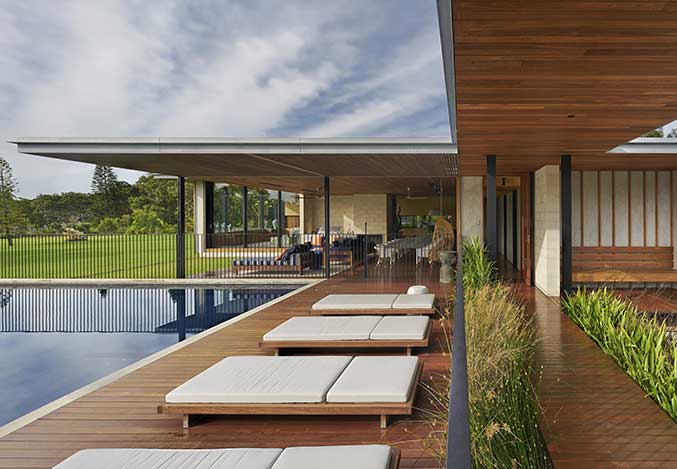
Ohana House, Seven Mile Beach
Architect: Virginia Kerridge
Client: Jennifer & Russell Staley
Year: 2016
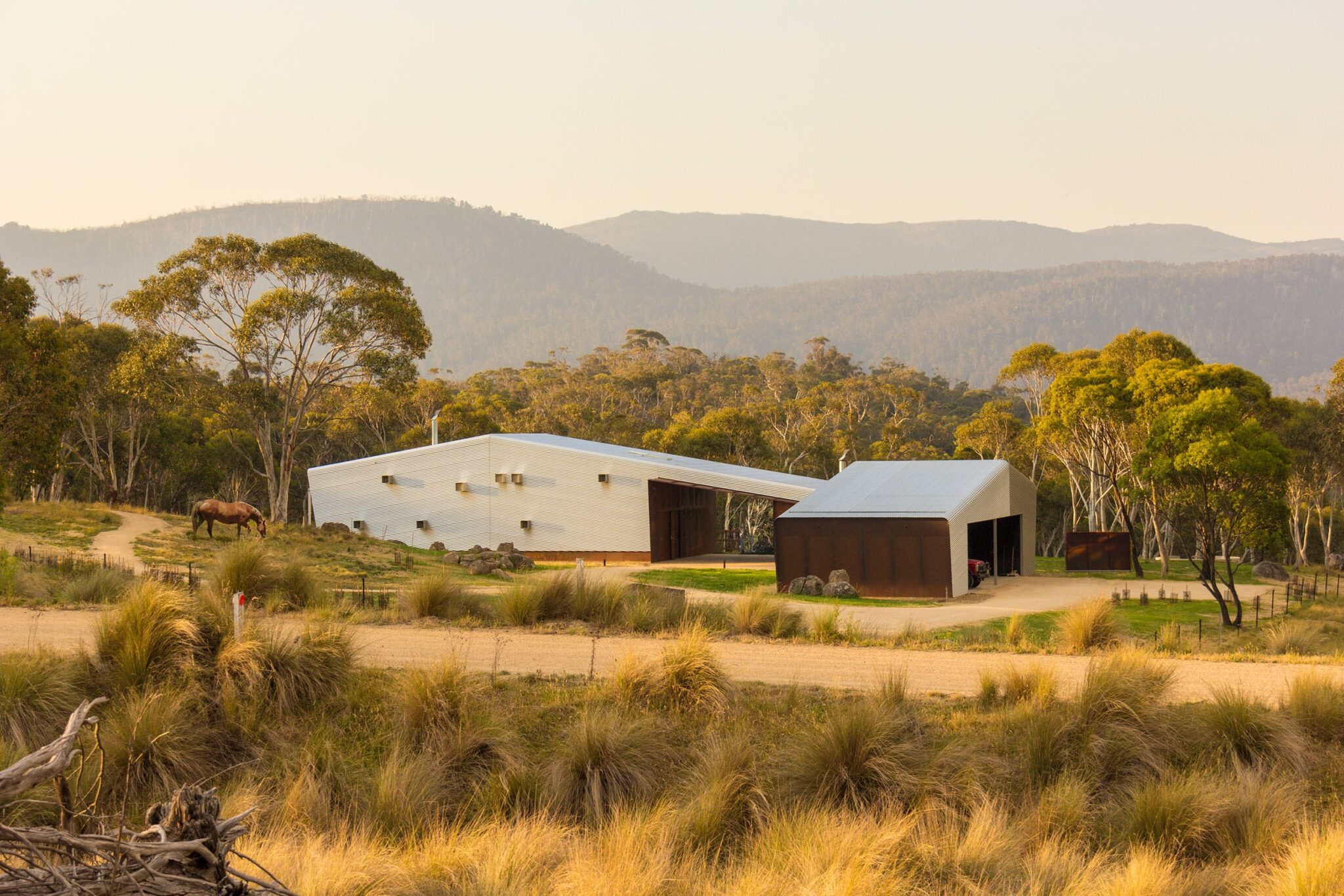
CRACKENBACK STABLES
Architect: CASEY BROWN ARCHITECTURE
Client: John Fielding
Year: 2015
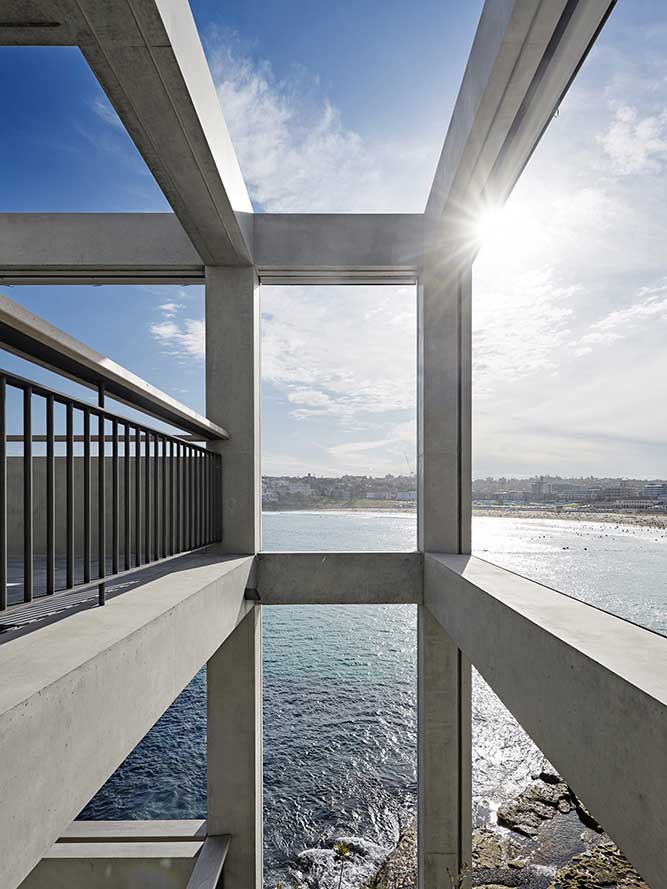
DEEPWATER, BONDI
Architect: TOBIAS PARTNERS
Client: Michael & Manuela Darling
Year: 2015
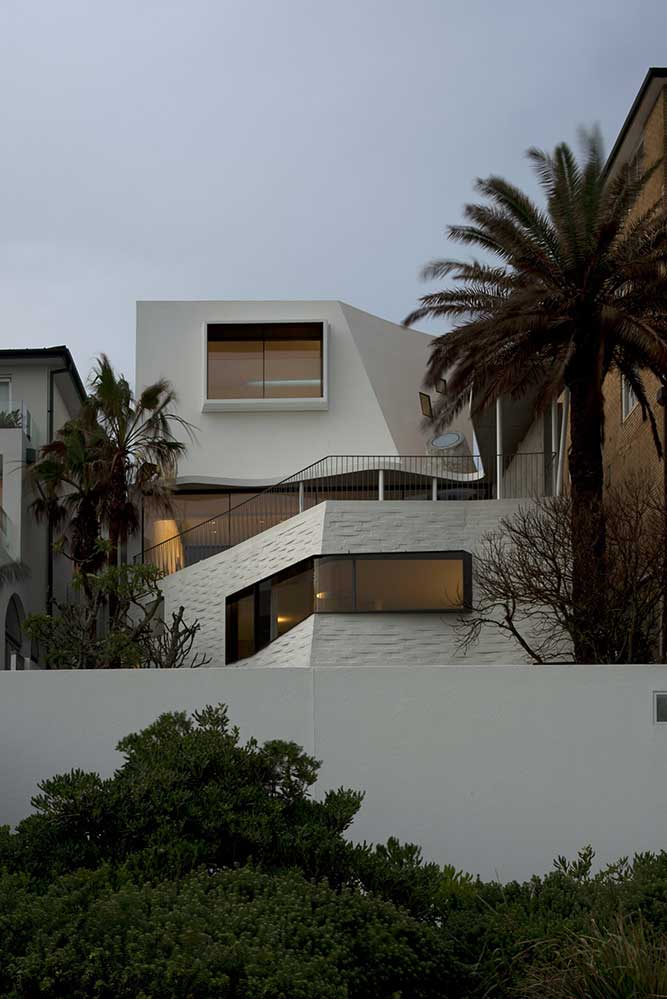
Tamarama House
Architect: Durbach Block Jaggers
Year: 2015
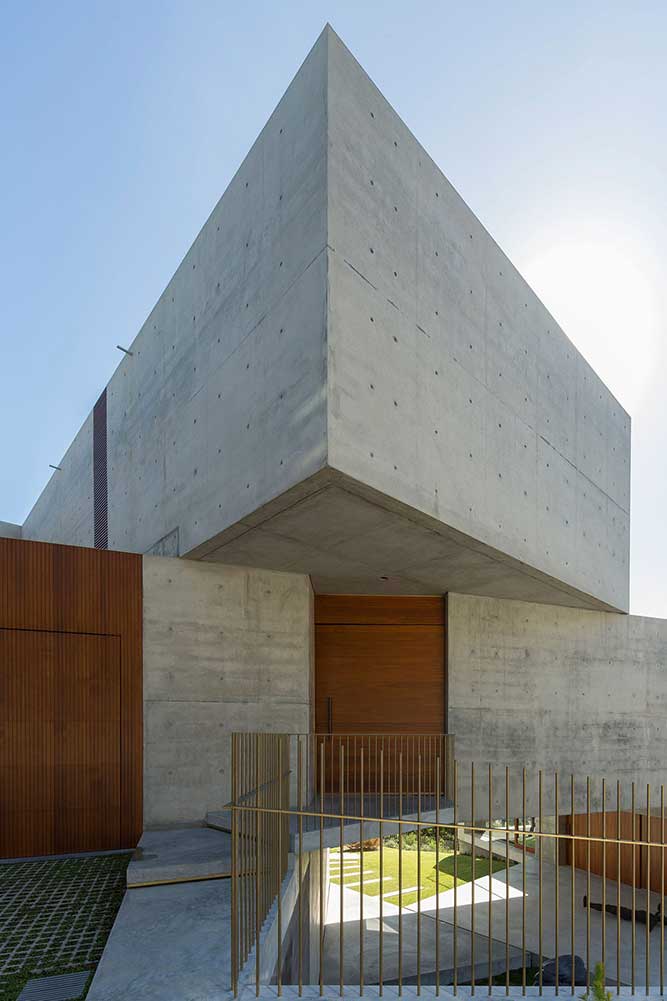
Balmoral House
Architect: Clinton Murray & Polly Harbison
Client: Tony & Carol Berg
Year: 2014
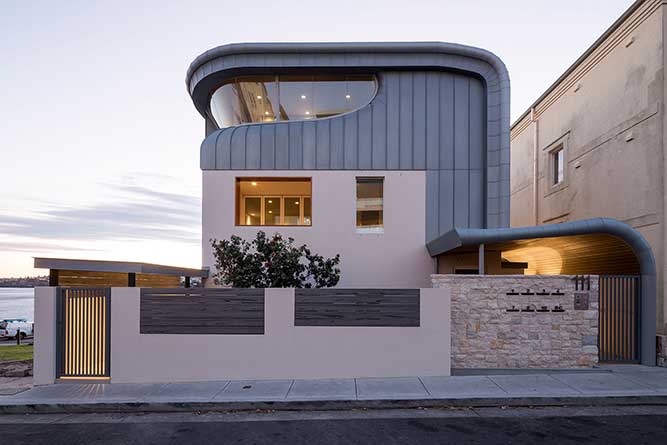
Bondi Penthouse
Architect: ThomsonAdsett
Project Manager: Ed Archibald
Year: 2014
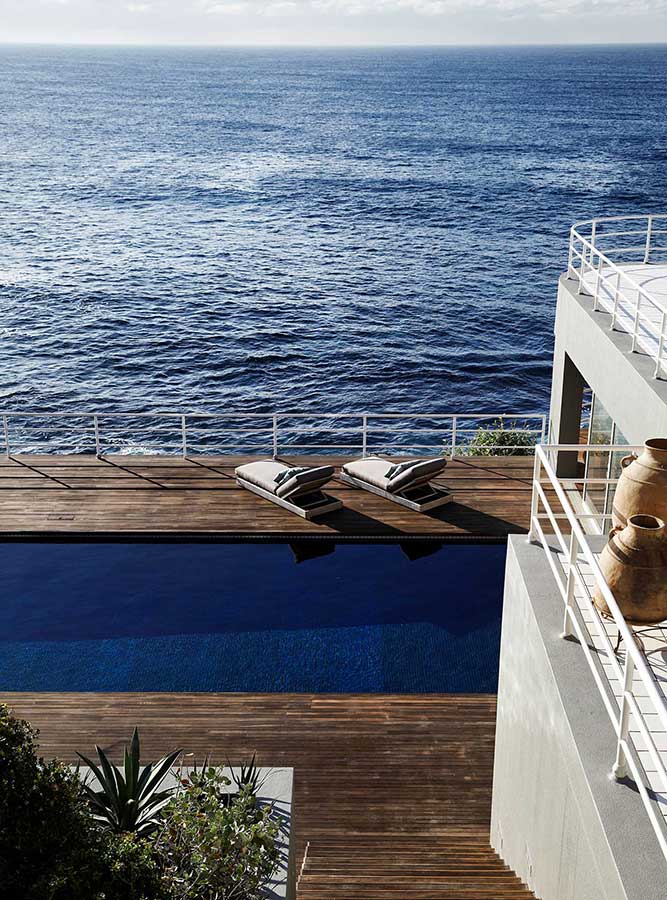
South Coogee House
Designer: Alexandra Kidd Design
Year: 2014
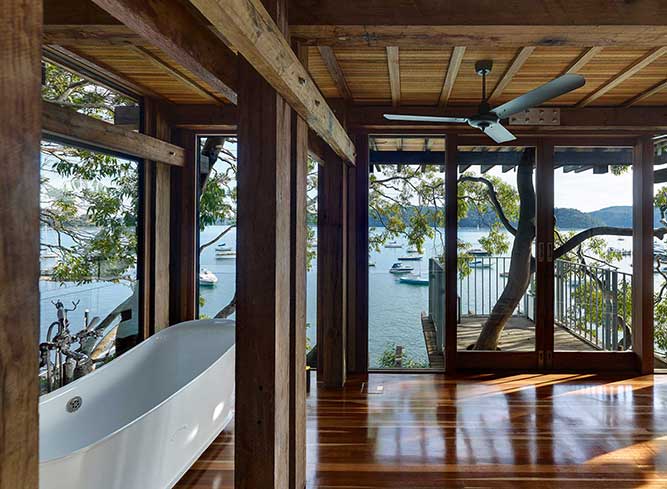
BARRENJOEY ROAD HOUSE, PALM BEACH
Designer: Grant Cheyne Design
Client: Francesco Boglione
Year: 2014
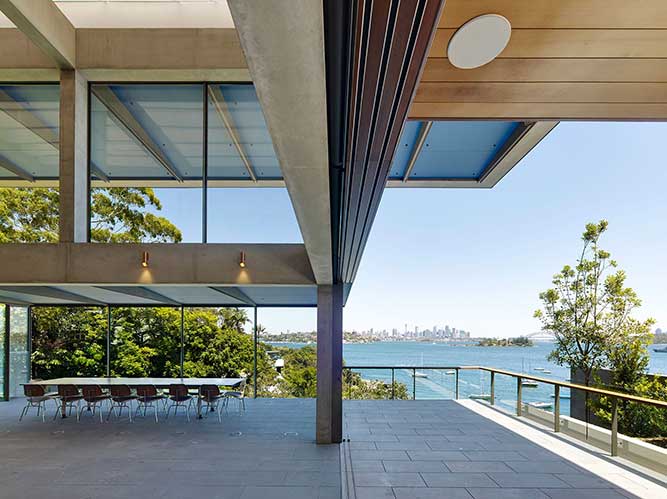
Hermit Bay House, Vaucluse
Architect: Peter Stutchbury
Client: Andrew Ipkendanz
Year: 2014
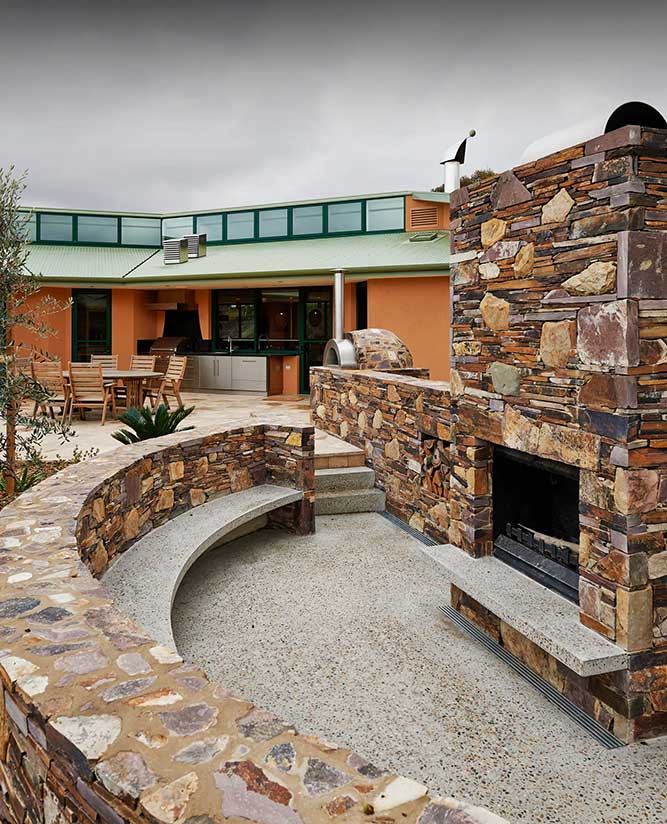
WIRREANDA ROAD HOUSE, WAMBOIN
Architect: Ian D McKay
Client: Ruth & Steve Lambert
Year: 2013
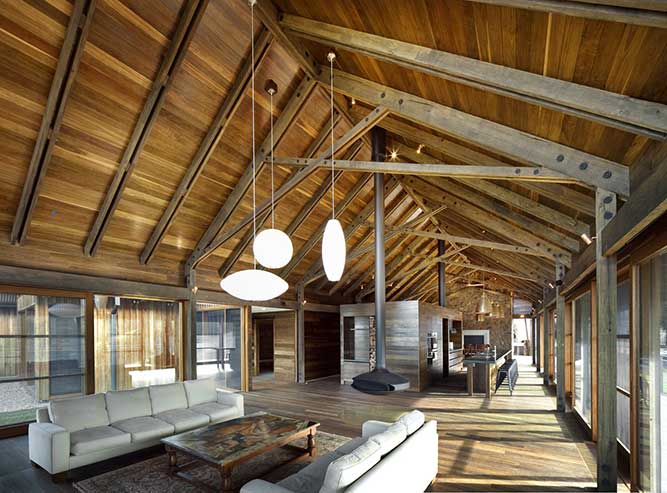
Shaw House, Jamberoo
Architect: Casey Brown Architecture
Client: Mary Shaw
Year: 2012
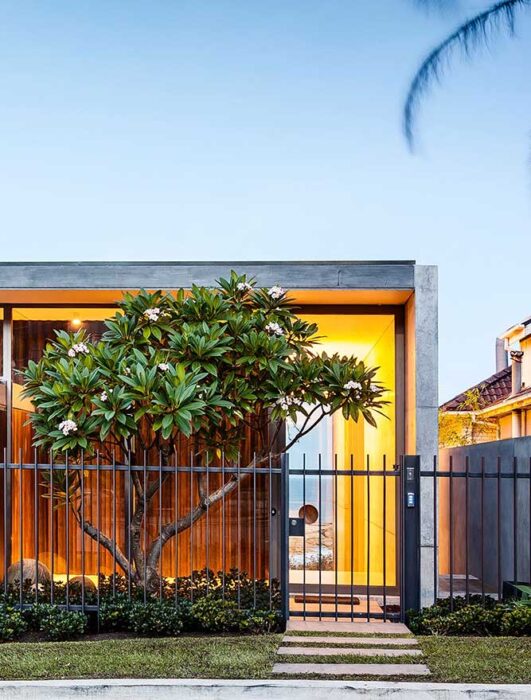
Folsom House, Gordons Bay
Architect: Madeleine Blanchfield
Client: Trevor & Jacqueline Folsom
Year: 2012
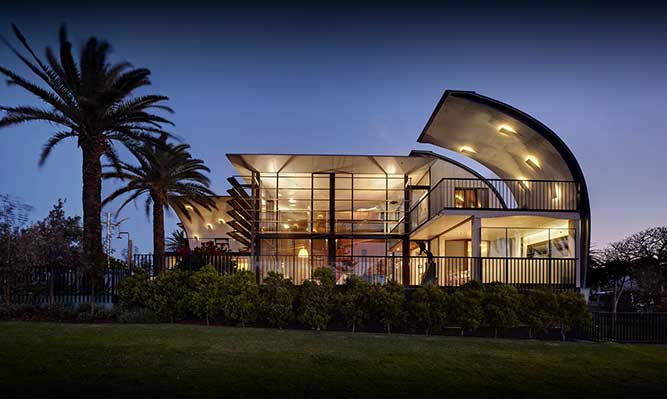
Staley House, Collaroy
Architect: Ulrika Saar, of Peter Stutchbury Architecture
Client: Jennifer & Russell Staley
Year: 2012
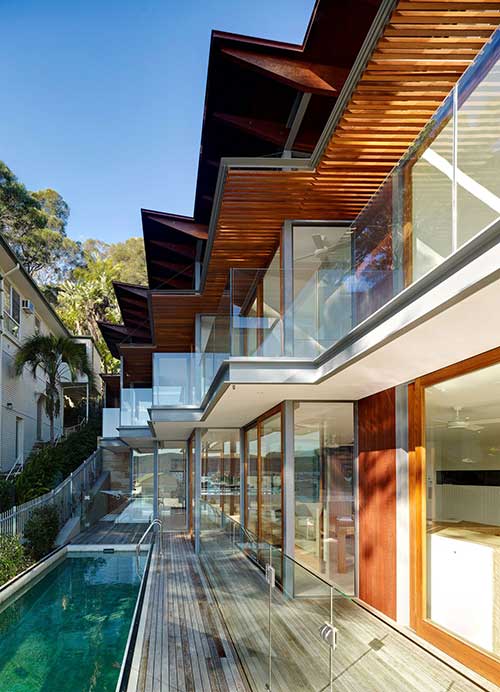
90 HUDSON PARADE, CLAREVILLE
Architect: BJP Architects
Year: 2012
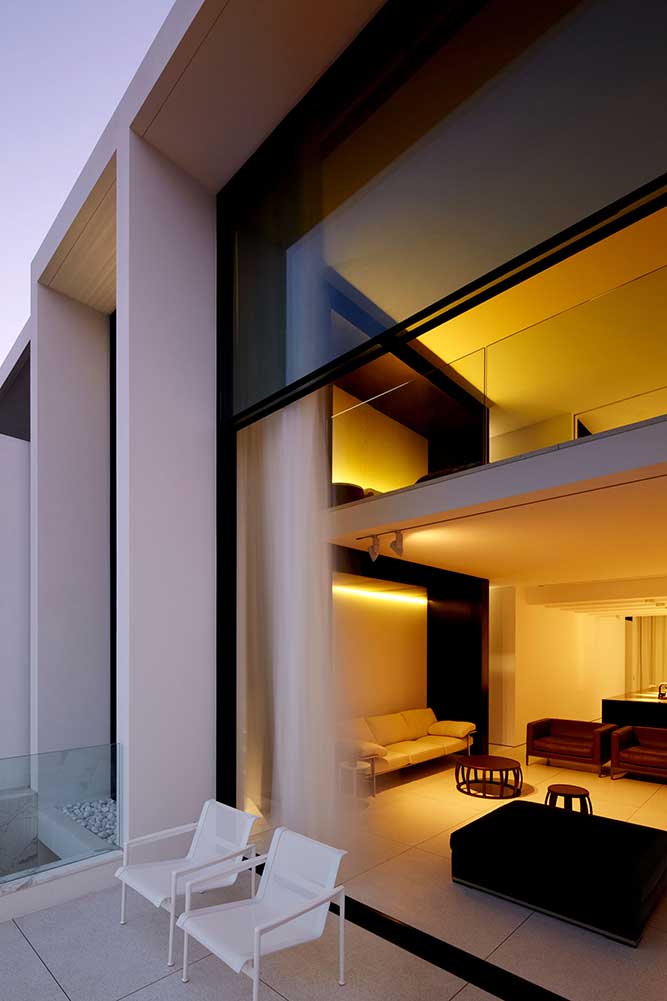
Notts Avenue, Bondi
Architect: Mathieson Architects
Project Manager: Dan Whittingham
Year: 2011
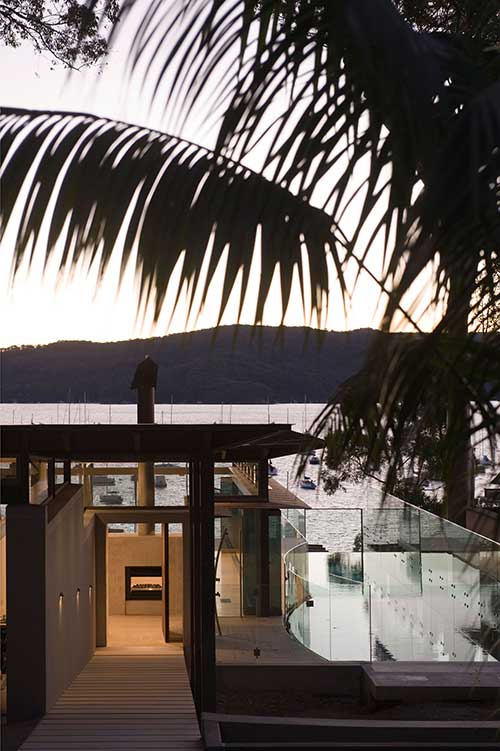
72 HUDSON PARADE, CLAREVILLE
Architect: BJP Architects
Year: 2011
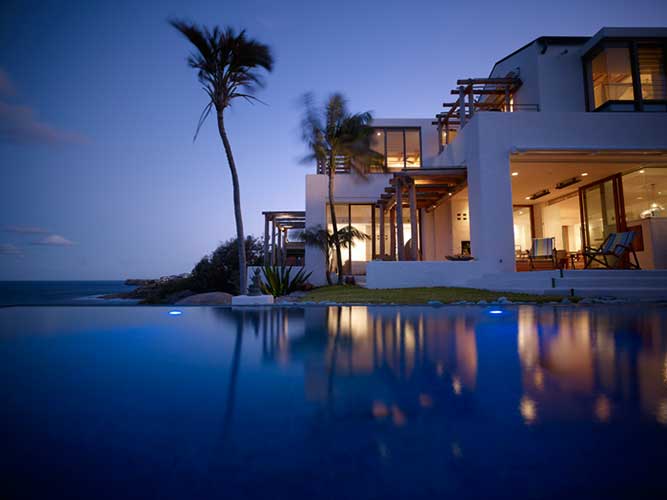
Sussman House, Coogee
Architect: Dennis Rabinowitz
Client: Roy & Illana Sussman
Year: 2010
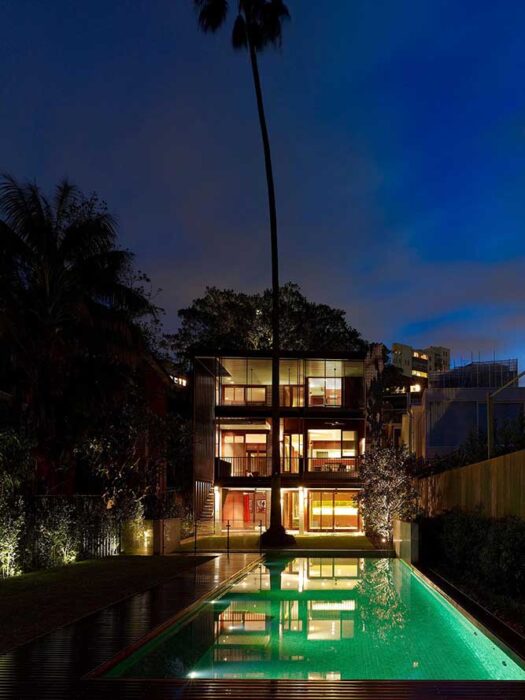
Ruth Ritchie House, Elizabeth Bay
Architect: Design King Company
Client: Ruth Ritchie
Year: 2010
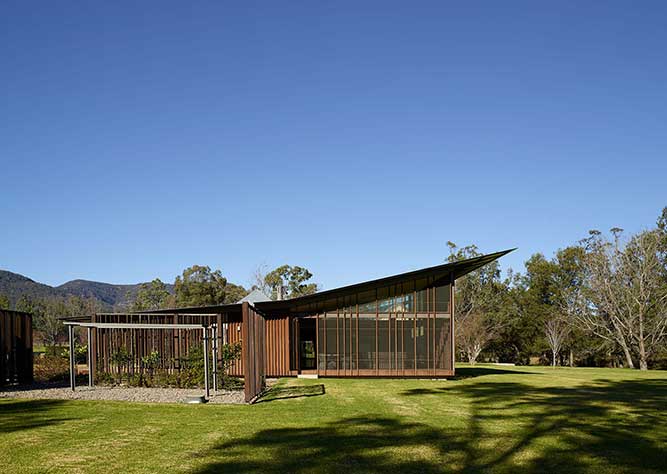
House In Country NSW
Architect: Leigh Hellyer, of Virginia Kerridge Architect
Year: 2010
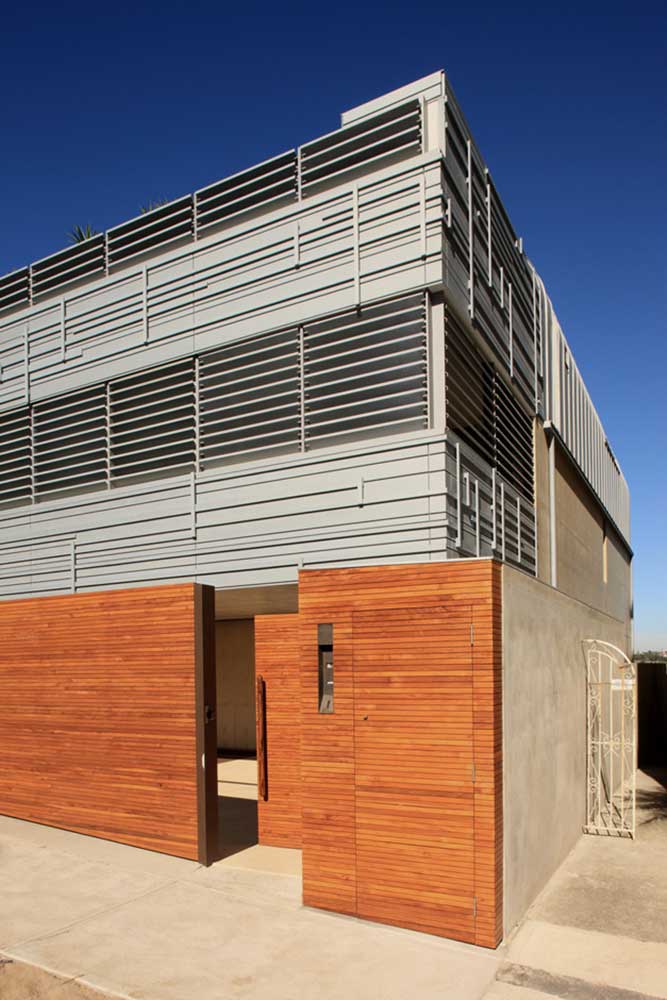
BONDI PROJECT, NORTH BONDI
ARCHITECT: VIRGINIA KERRIDGE
Client: Rob Keldoulis & Tobi Wilkinson
YEAR: 2009
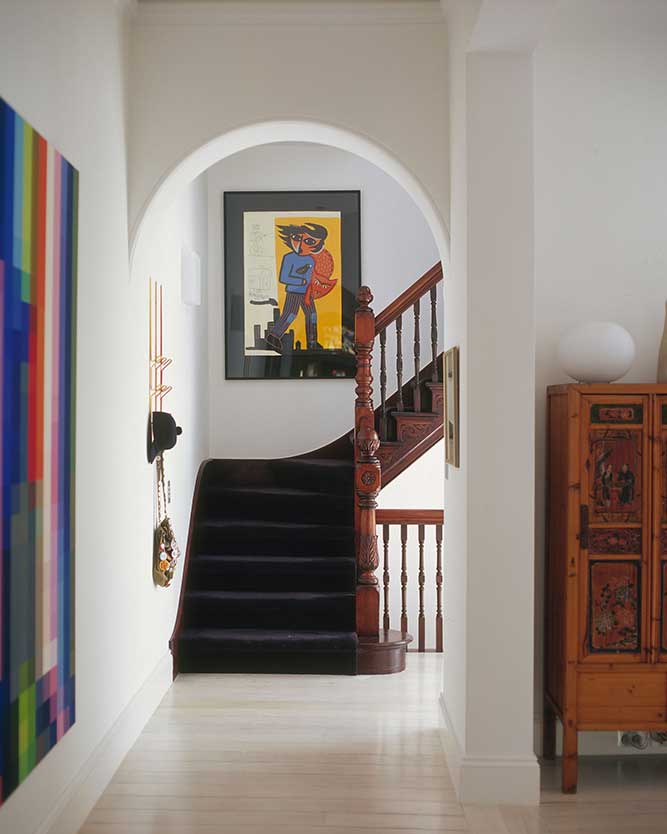
Elizabeth Bay Terrace
Architect: Virginia Kerridge
Client: Les & Miriam Stein
Year: 2008
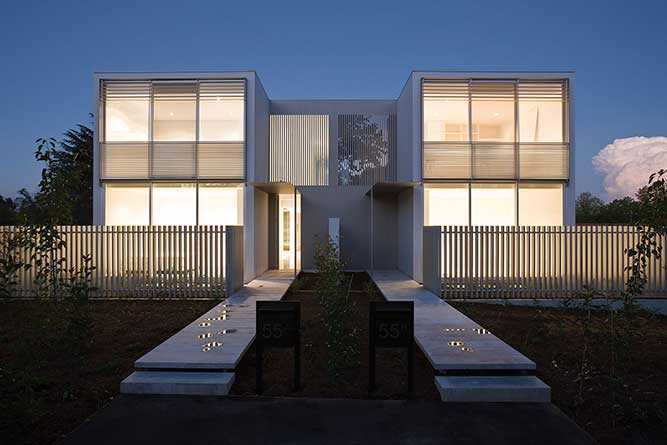
Fielding House, Canberra
Architect: Rodney Moss, of Cox Humphries Moss
Client: John Fielding
Year: 2008
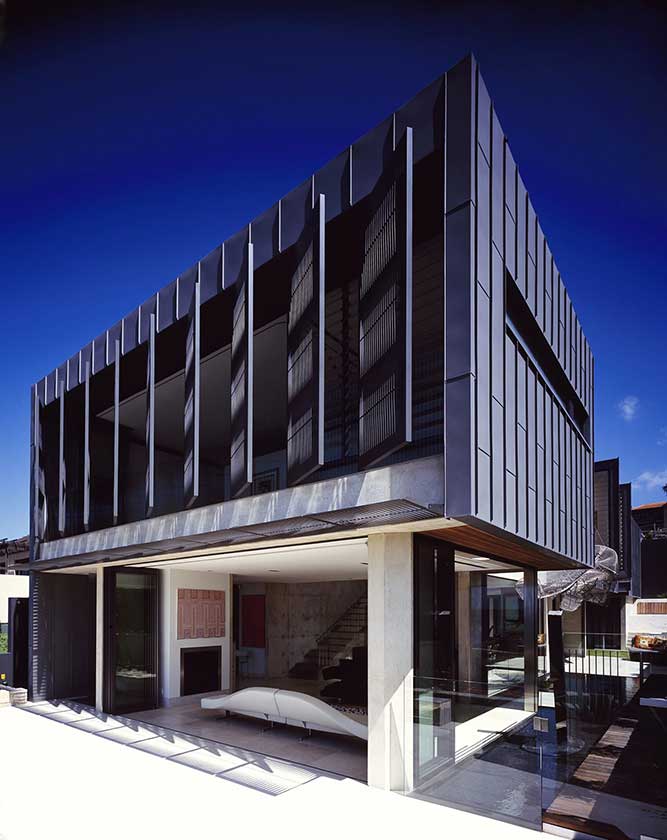
Biet House, Mosman
Architect: Andrew Coomer & Associates
Client: André Biet
Year: 2007
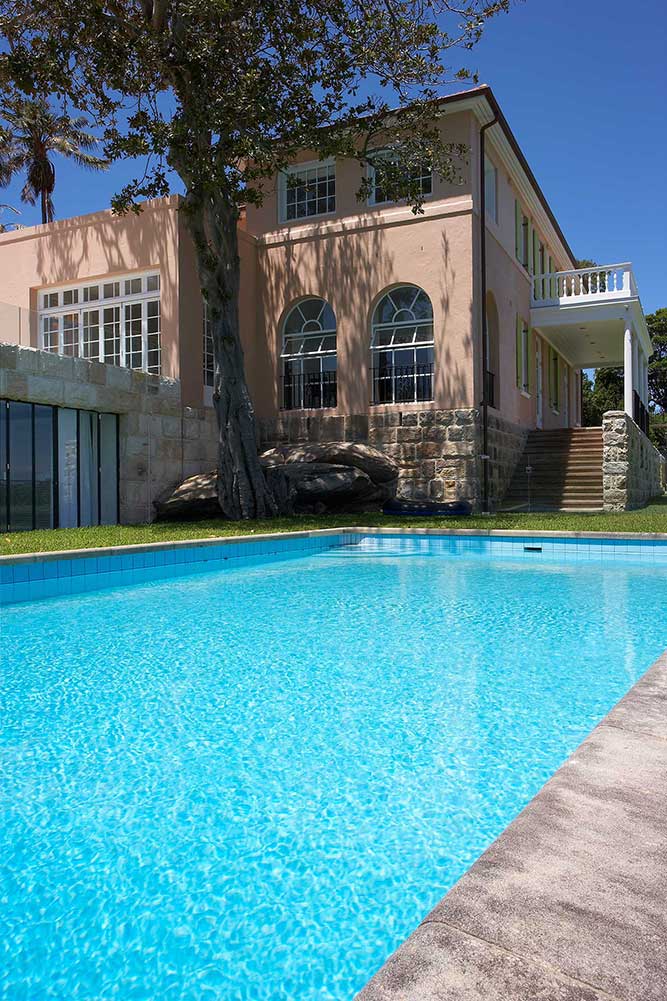
Mahony House, Vaucluse
Architect: George Livissianis, of Burley Katon Halliday
Client: Tim Mahony & Jacki Pervan
Year: 2007
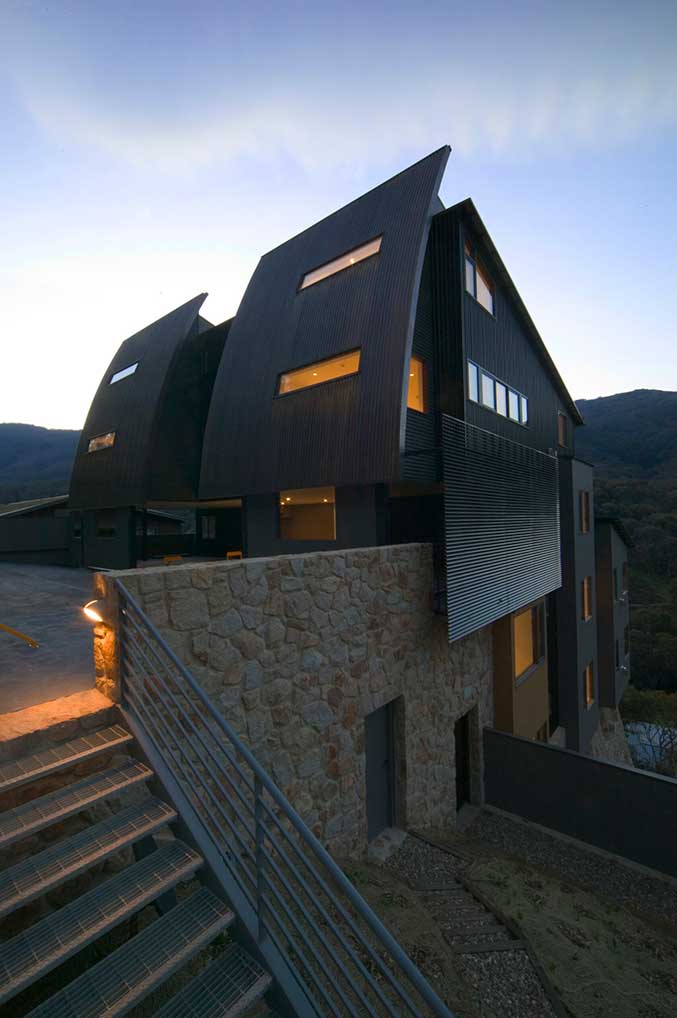
Elevation Apartments, Thredbo
Architect: DJRD Architects & Siobhan Berkery
Year: 2007
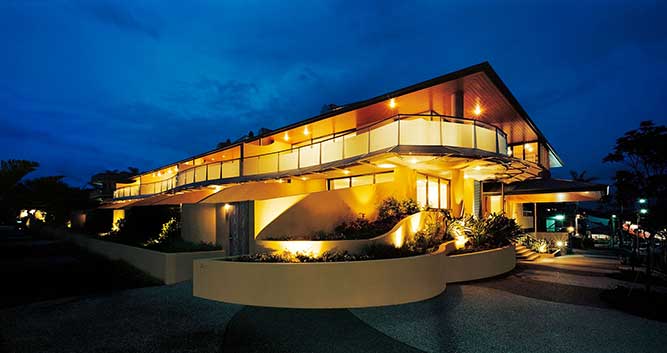
THE BEACH SUITES, BYRON BAY
Architect: Ian D Mckay
Client: John Cornell & Delvene Delaney
Year: 2007
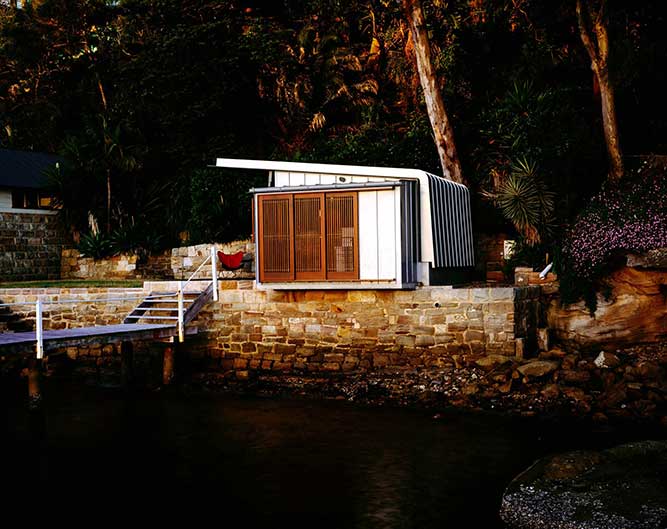
BOATSHED, PITTWATER
Architect: Andrew Coomer & Associates
Year: 2007
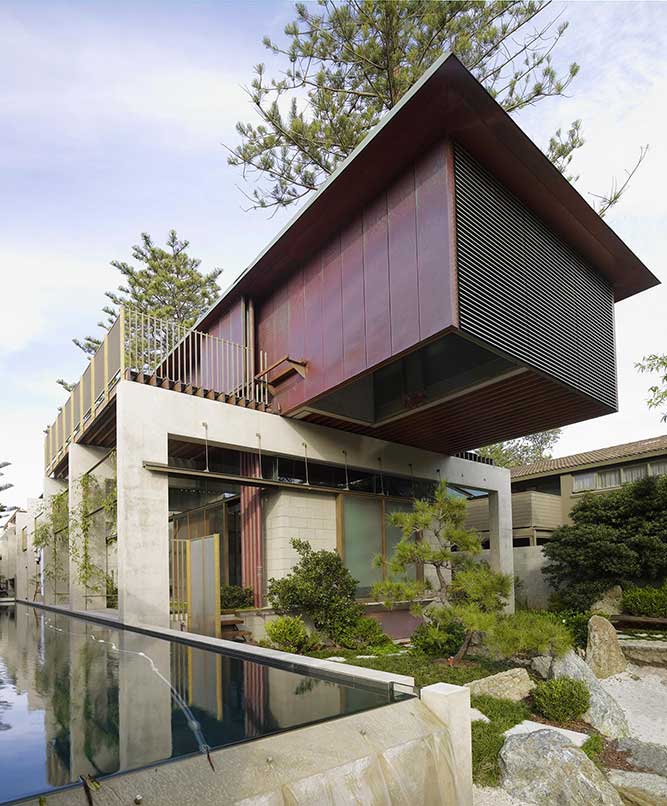
Kinoshita House, Newport
Architect: Sacha Zehnder, of Peter Stutchbury Architecture
Client: Eriko Kinoshita
Year: 2006
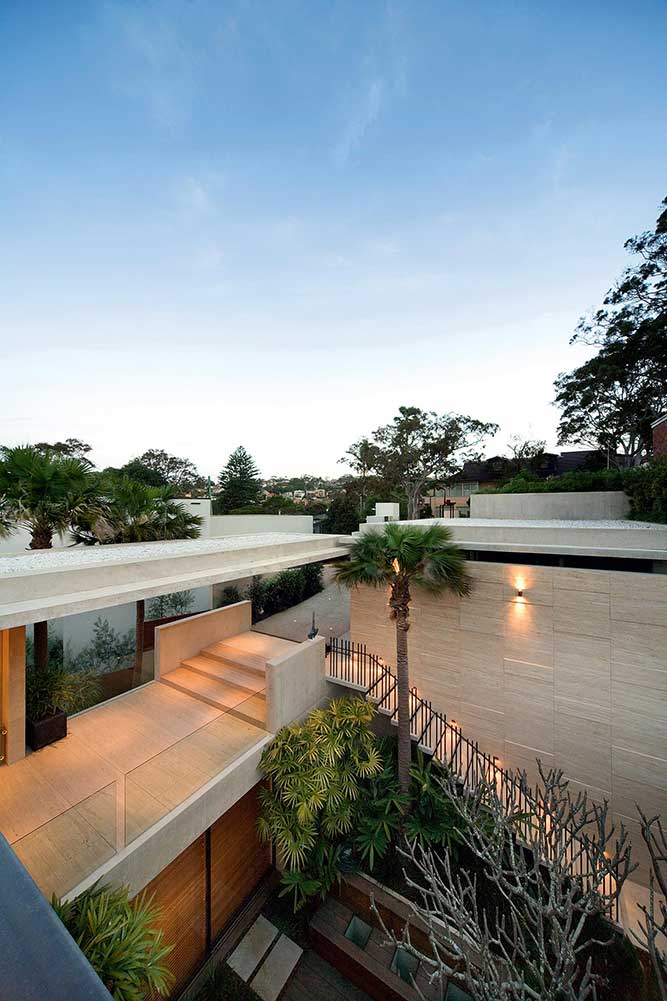
Belgiorno-Nettis House, Mosman
Architect: Graham Jahn
Client: Guido & Michelle Belgiorno-Nettis
Year: 2006
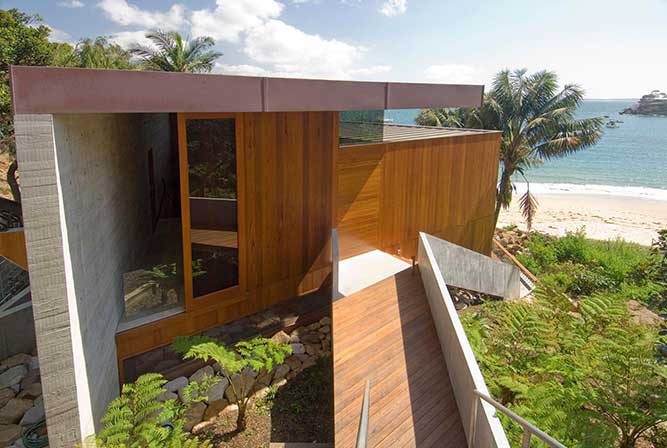
BERG HOUSE, BUNDEENA
Architect: CLINTON MURRAY
Client: Tony & Carol Berg
Year: 2006
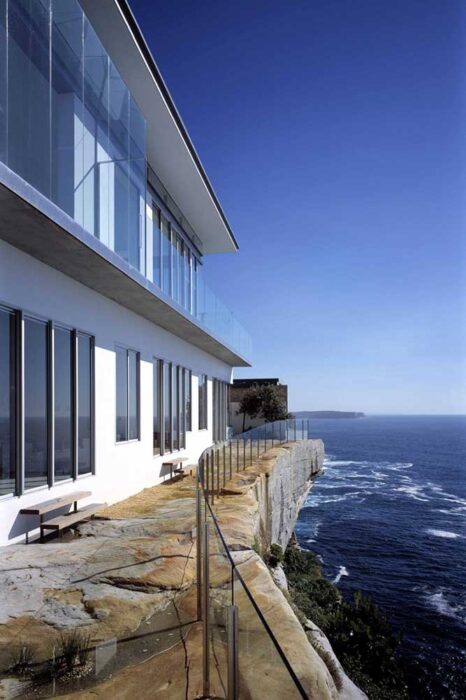
The Cliff House, Dover Heights
Architect: Collins and Turner
Client: Ilana & Steve Penn
Year: 2004
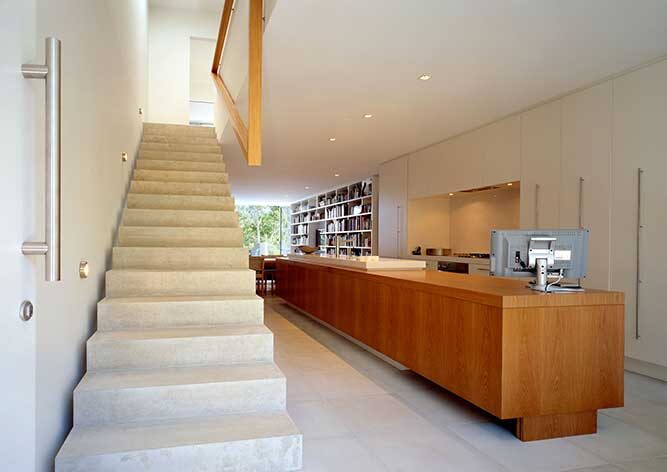
Canopy Apartments, Cammeray
Architect: PopovBass Architects
Year: 2004
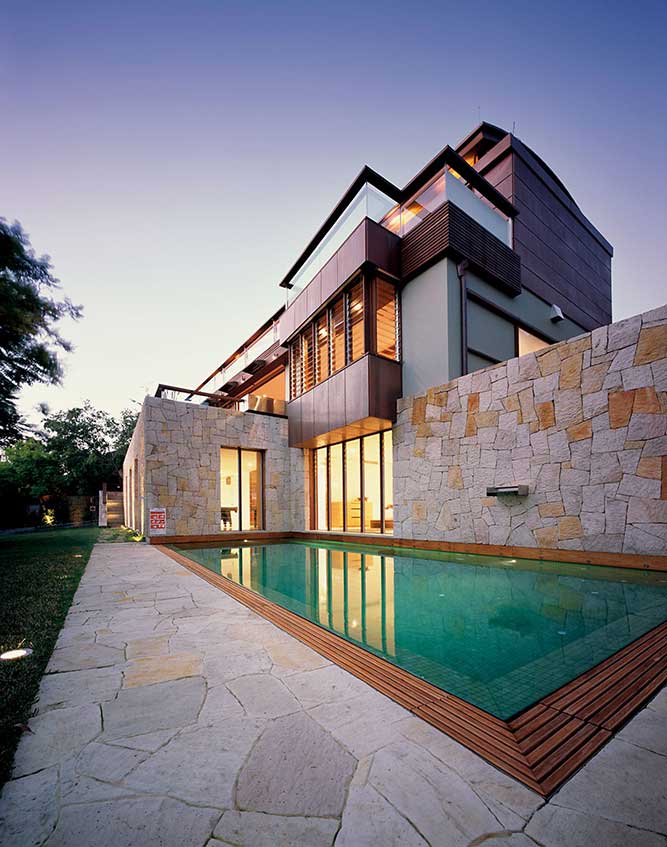
Vaucluse House
Architect: Virginia Kerridge
Client: Karl Beckman & Barbara O’Brien
Year: 2004
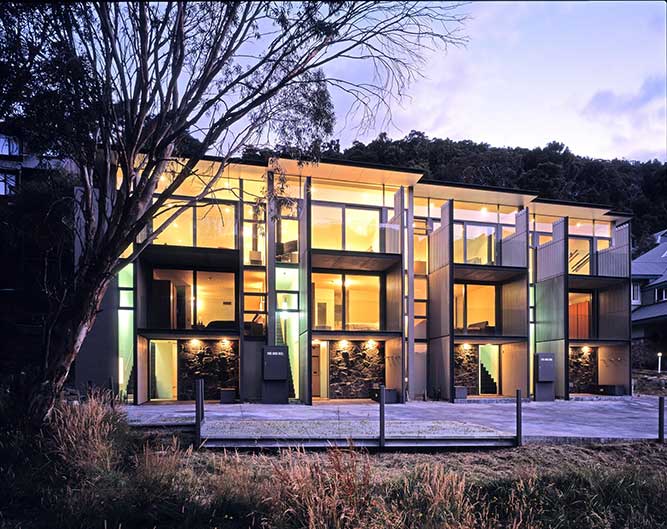
Omaru, Thredbo
Architect: PopovBass Architects & Vincent Myson
Year: 2003
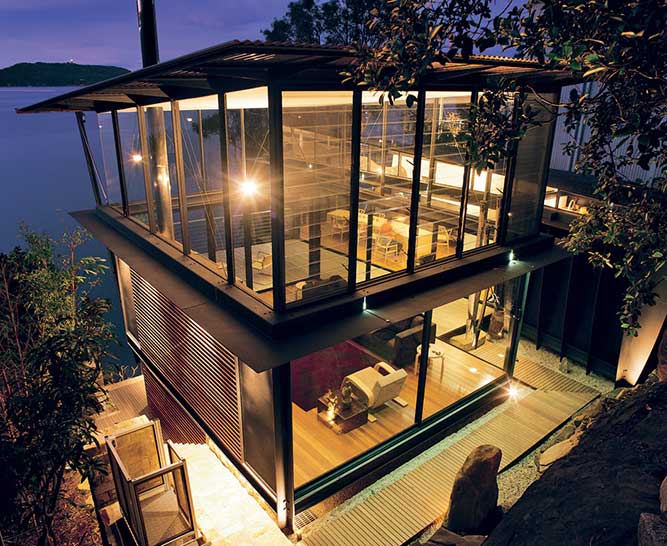
Great Mackerel Beach House
Architect: Casey Brown Architecture
Client: Dougal & Marcia James-Robertson
Year: 2003
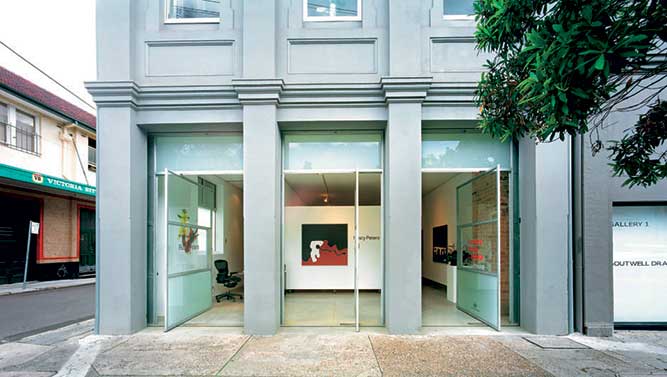
The Gallery, Redfern
Architect: Graham Jahn
Client: Stephen Grant & Bridget Pirrie
Year: 2003
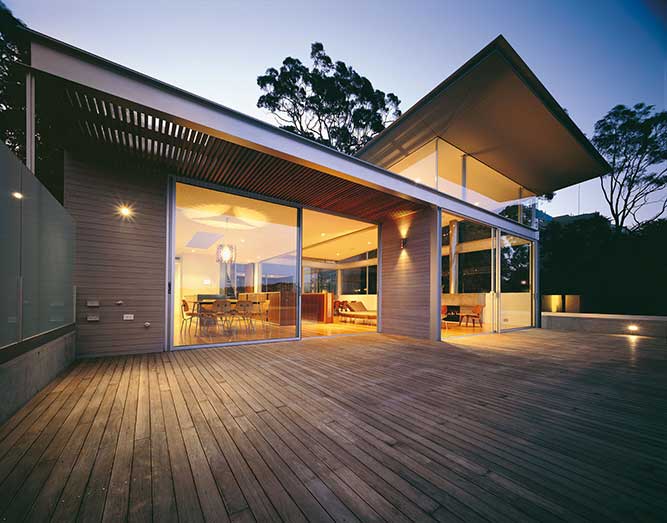
Goldin House, Castlecrag
Architect: Virginia Kerridge
Client: Gloreen & Graeme Goldin
Year: 2002
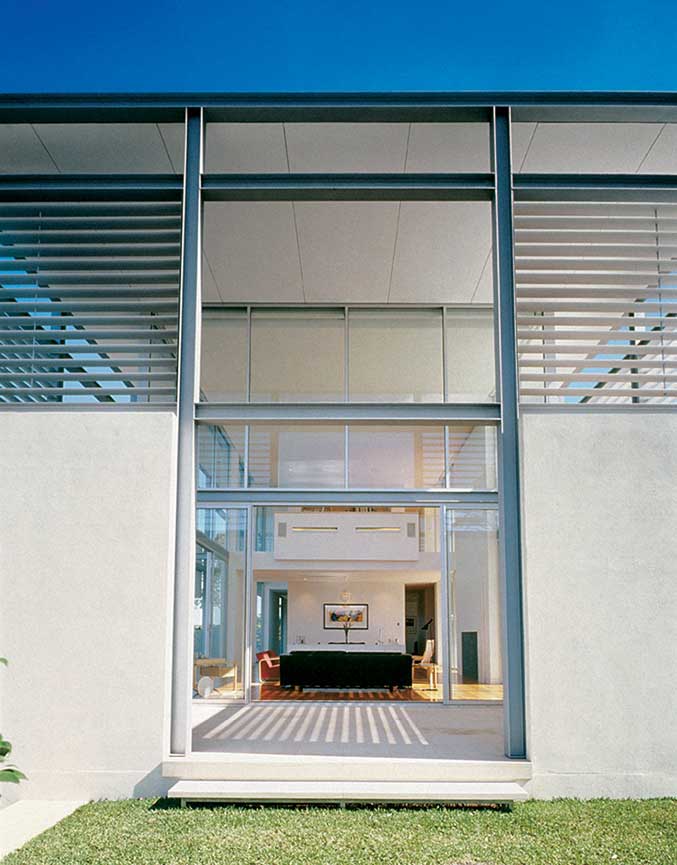
Castlecrag House
Architect: PopovBass Architects
Year: 2002
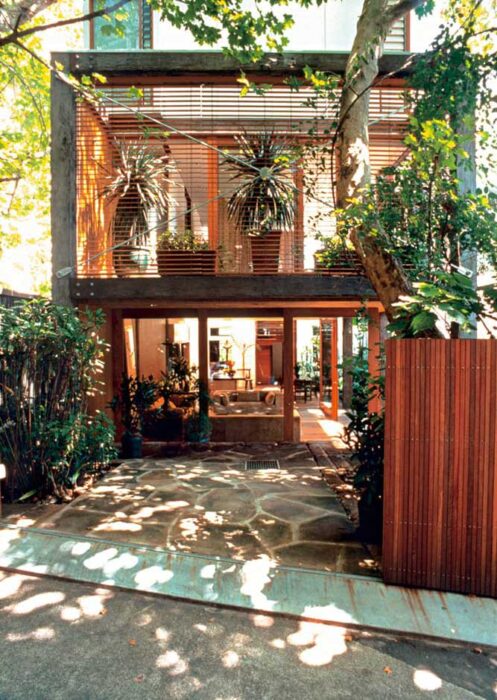
Overcliffe, Potts Point
Architect: Clinton Murray
Client: Leon Fink
Year: 2001
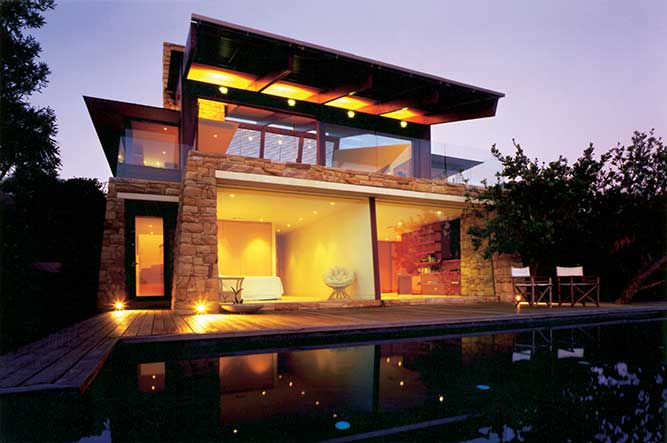
Casey House, Killcare
Architect: Jorge Hrdina
Year: 2000
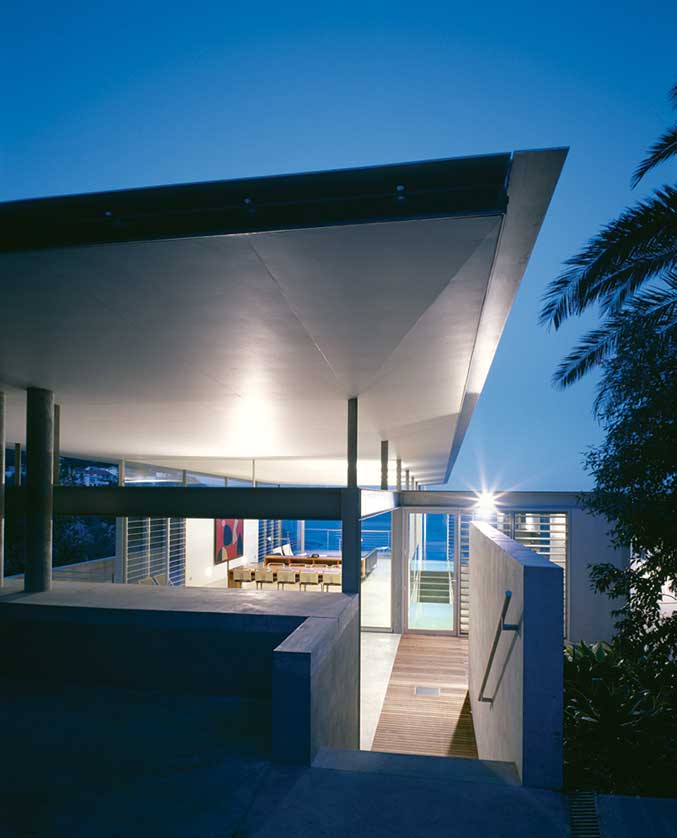
ARCHER HOUSE, WHALE BEACH
Architect: Rosevear Stephenson
Client: David Archer
Year: 2000
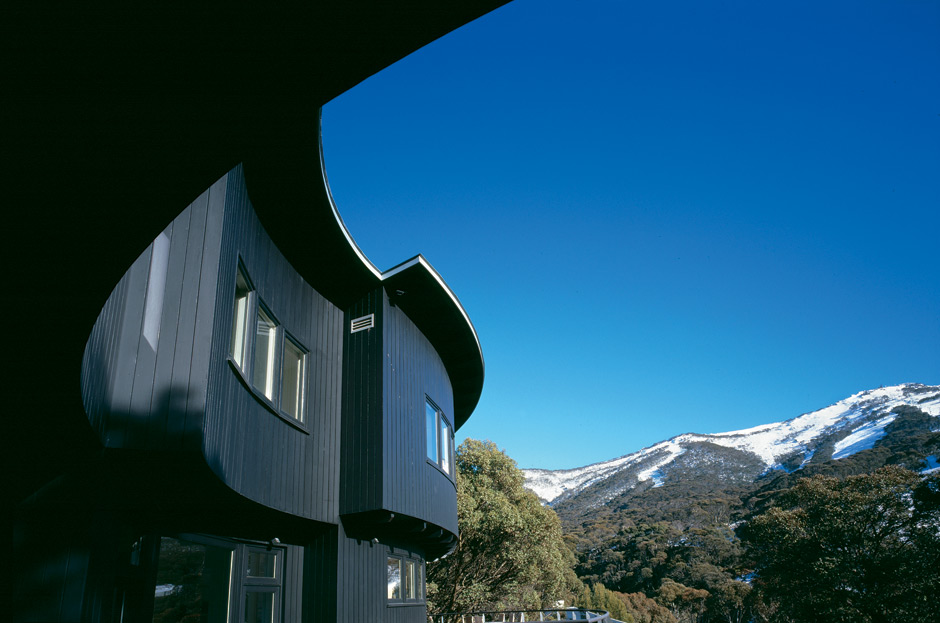
Sastrugi Lodge, Thredbo
Architect: Casey Brown Architecture
Client: Tim Casey
Year: 1994
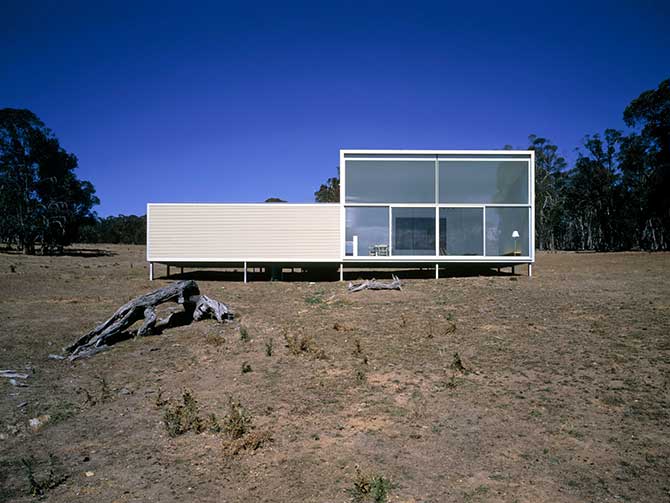
Henry Rourke House, Ando
Architect: Collins and Turner
Client: Henry Rourke
Year: 1994
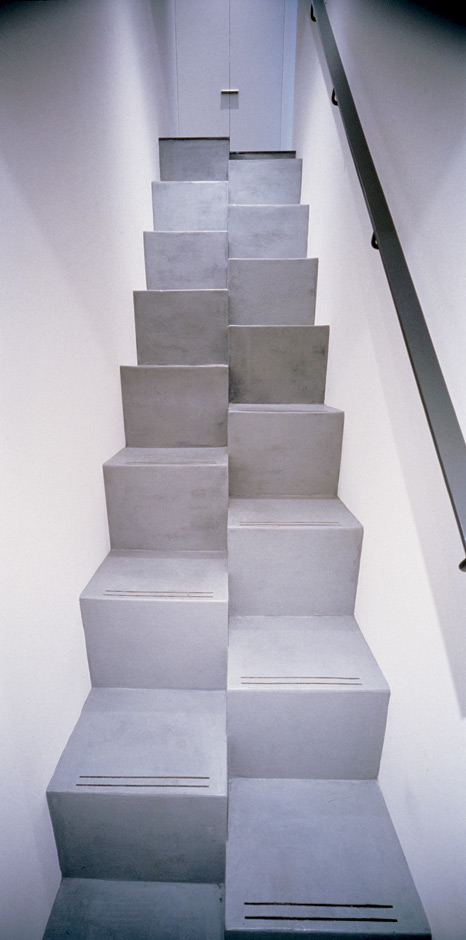
Spencer House, Cremorne
Architect: Richard Johnson
Client: Hugh & Samantha Spencer
Year: 1994
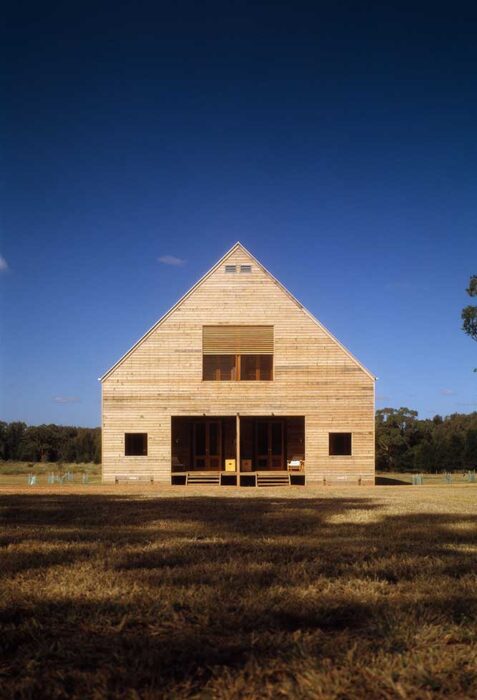
Burrawang West, NSW
Architect: Richard Johnson
Year: 1993
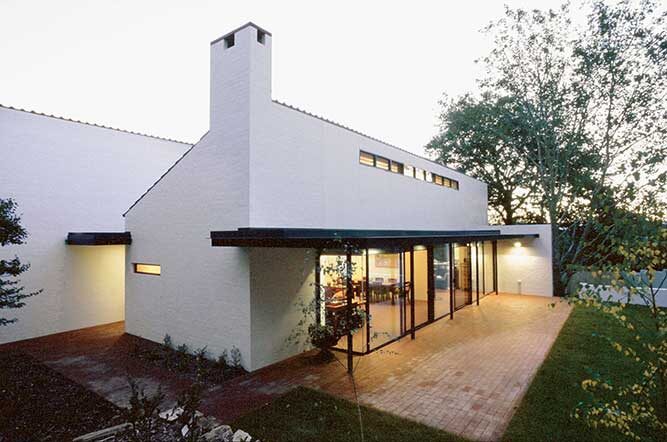
Yarralumla House, Canberra
Architect: Rodney Moss, of Cox Humphries Moss
Client: Catherine & Robert Clynes
Year: 1991
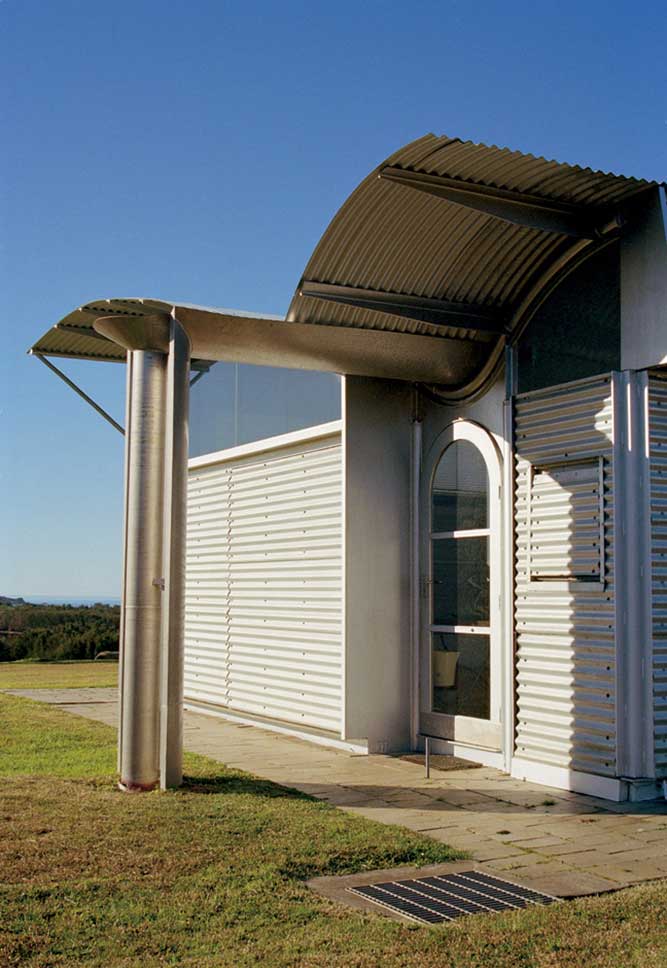
Magney House, Bingie Point
Architect: Glenn Murcutt
Client: Tom Magney & Deirdre
Year: 1984